


Central Park Oriental Poppy
Central Park Oriental Poppy
SKU:PER-PAP-CNP-NA-3-GA
Make a Bold Move With the Central Park Oriental Poppy
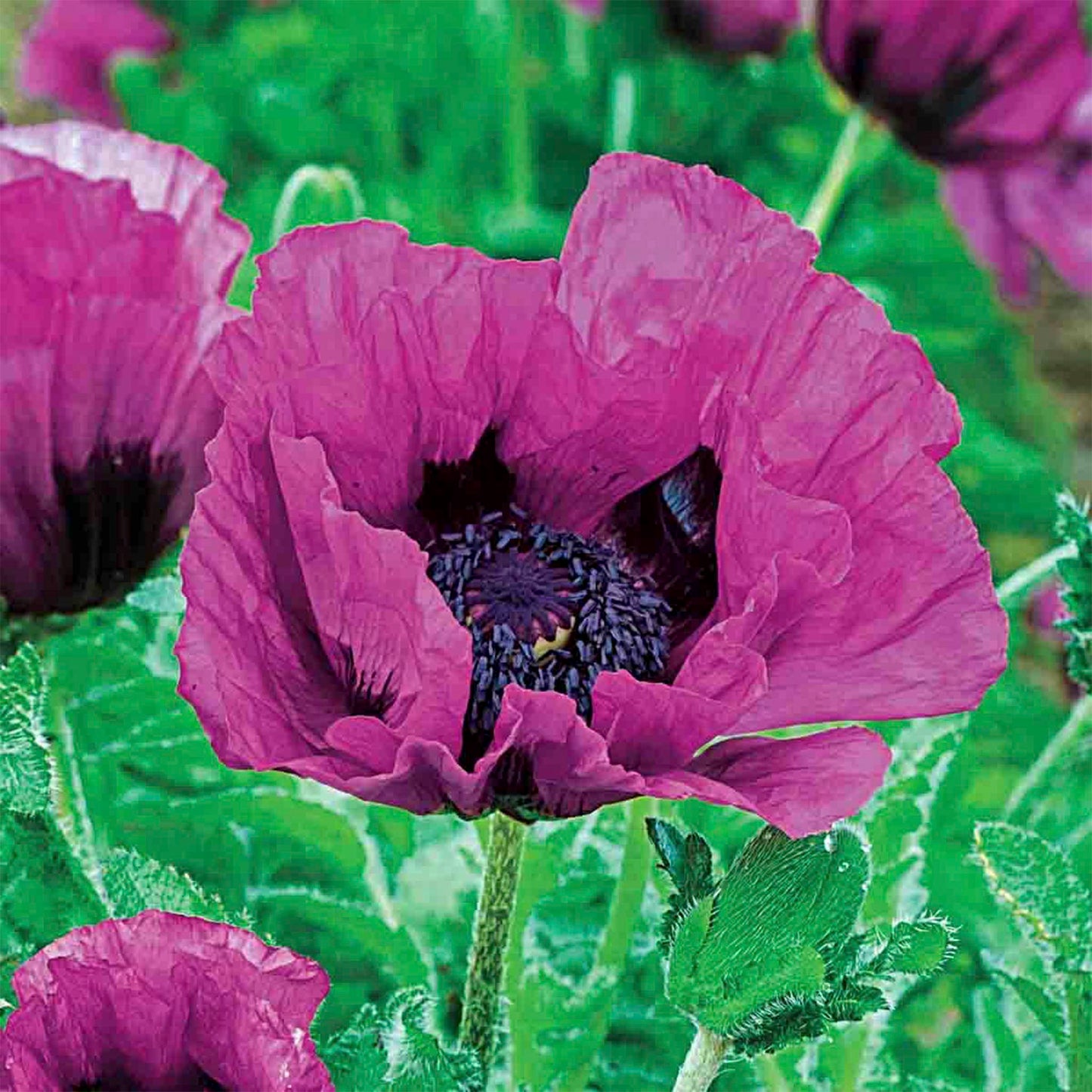
The Central Park Oriental Poppy is a standout, delivering a dramatic show in late spring to early summer, with deep reddish-purple blooms rising on slender, wiry stems. Each 5–6" flower unfurls with a silky, crepe-paper look, centered by a velvety black seed capsule ringed with rich purple stamens. They’re as sculptural as they are striking.
This set includes 3 grade #1 bare root poppies—ideal for early spring planting and beautiful blooms May through June.
Why You'll Love the Central Park Oriental Poppy
- Eye-catching blooms bring bold color and texture to sunny borders
- Low-maintenance and drought-tolerant once established
- Excellent for cutting gardens—makes a dramatic addition to floral arrangements
- Deer-resistant and pollinator-friendly
- Best planted in full sun with well-draining soil
Product Details
-
Product Category
Bulbs
-
Product Subcategory:
Bulbs
-
Botanical Name:
Papaver orientale 'Central Park'
-
Does Not Ship To:
-
Mature Height:
28-30 in.
-
Mature Width:
18-24 in.
-
Growing Zone:
3-7 outdoors
-
Indoor Growing:
-
Sunlight:
Full-Part Sun
-
Growth Rate:
-
Harvest Time:
-
Bloom Time:
May-June

Planting Directions
<h2>How to Plant and Care for Oriental Poppies</h2> <h2>Planting Instructions</h2> <ul> <li>Choose a spot with full sun or light afternoon shade.</li> <li>Ensure soil is well-drained. Oriental poppies dislike wet roots.</li> <li>Dig a hole as deep as the root ball and twice as wide.</li> <li>Place the plant so the top is level with the surrounding soil.</li> <li>Space plants 18–24 inches apart to allow for airflow.</li> <li>Backfill soil and press gently to remove air pockets.</li> <li>Water deeply after planting.</li> </ul> <h2>Watering</h2> <ul> <li>Keep soil evenly moist after planting until established (about 2–3 weeks).</li> <li>After establishment, water when the top inch of soil is dry.</li> <li>Do not overwater — oriental poppies prefer slightly dry conditions over soggy soil.</li> </ul> <h2>Fertilization</h2> <ul> <li>Fertilize once per year in early spring with a balanced, slow-release fertilizer (10-10-10 or similar).</li> <li>Avoid high-nitrogen fertilizers — they encourage foliage over flowers.</li> </ul> <h2>Maintenance</h2> <ul> <li>Deadhead spent flowers to extend blooming time.</li> <li>Foliage may yellow and die back after flowering — this is normal. Leave it until it fully dies back to feed the roots.</li> <li>Cut back dead foliage in late summer.</li> </ul> <h2>Winter Care</h2> <ul> <li>Apply 2 inches of mulch after the ground freezes to protect roots.</li> <li>Remove mulch in early spring as new growth emerges.</li> </ul> <h2>Container Planting</h2> <ul> <li>Use a large pot (minimum 12” deep) with drainage holes.</li> <li>Fill with well-draining potting mix (add sand or perlite if needed).</li> <li>Water thoroughly and let the top inch of soil dry before watering again.</li> </ul>
FAQs
<h2>Central Park Oriental Poppy FAQs</h2> <ul> <li> <strong>1. When and how should I plant my Central Park Oriental Poppy roots?</strong><br> Plant your bare root poppies in early spring as soon as the ground is workable. Choose a sunny spot with well-draining soil. Dig a hole deep enough to accommodate the root without bending it, cover lightly with soil, and water well. Give them space to breathe—about 18–24" apart is ideal. </li> <li> <strong>2. How much sun do these poppies need?</strong><br> Full sun is the sweet spot—at least 6 hours a day. Central Park Oriental Poppies thrive in bright light, which helps them produce those bold, richly colored blooms. </li> <li> <strong>3. Do Oriental Poppies come back every year?</strong><br> Yes, they’re hardy perennials! Once established, they return year after year, often bigger and better. After blooming, the foliage may die back, but don’t worry—that’s part of their normal cycle. </li> <li> <strong>4. Are they good for pollinators?</strong><br> Absolutely. Bees are drawn to the vibrant, open blooms and those dark, dramatic centers. These poppies offer a great early nectar source in late spring. </li> <li> <strong>5. Can I grow these in containers or indoors?</strong><br> Not ideal for containers or indoor growing. These poppies develop deep taproots and prefer to stay put in garden beds with plenty of sun and space. They’re best suited for in-ground planting in borders, cutting gardens, or wildflower-style plantings. </li> </ul>